Around a piece of cake § С Томи и Тапънс, обсъждайки случай

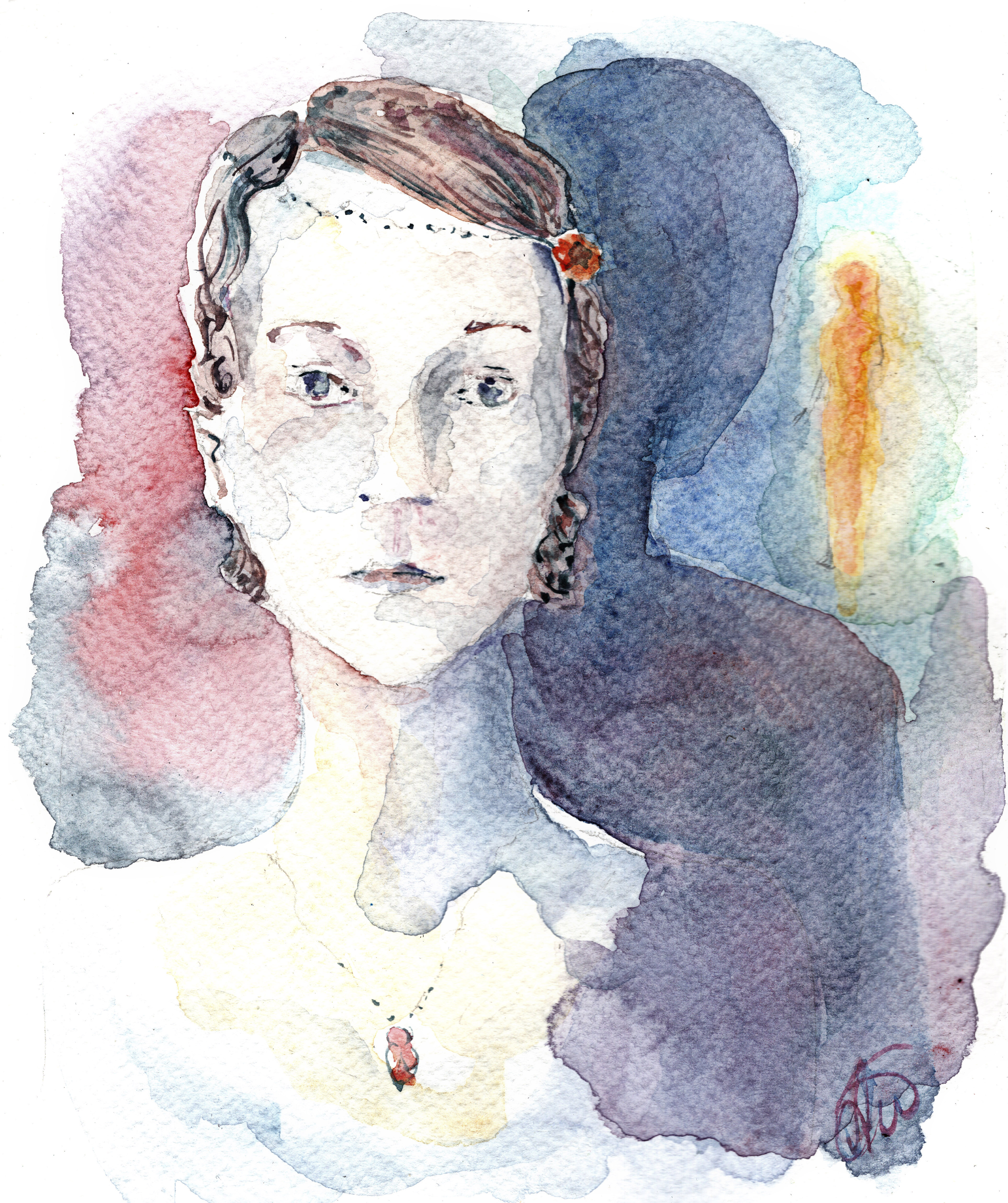
“You see, Watson, but you do not observe. I wonder now whether one of
these haughty damsels would condescend to notice us? Splendid, she
drifts this way. It is true that she appears to be thinking of something
else, but doubtless her subconscious mind is functioning busily with such
matters as ham and eggs and pots of tea. Chop and fried potatoes,
please, Miss, and a large coffee, a roll and butter, and a plate of tongue
for the lady.”
The waitress repeated the order in a scornful tone, but Tuppence leant
forward suddenly and interrupted her.
“No, not a chop and fried potatoes. This gentleman will have a cheese
cake and a glass of milk.”
“A cheese cake and a milk,” said the waitress with even deeper scorn if
that were possible. Still thinking of something else, she drifted away
again.
“That was uncalled for,” said Tommy coldly.
“But I’m right, aren’t I? You are the Old Man in the Corner? Where’s
your piece of string?”
Tommy drew a long twisted mesh of string from his pocket, and
proceeded to tie a couple of knots in it.
“Complete to the smallest detail,” he murmured.
“You made a small mistake in ordering your meal, though.”
“Women are so literal minded,” said Tommy. “If there’s one thing I hate
it’s milk to drink, and cheese cakes are always so yellow and bilious
looking.”

Partners in crime, Agatha Christie

Around the fireplace for Christmas ‘Round the Yule-Log § ‘Round the Yule-Log. III part § Около kоледния огън. III част

“Oh, is that you, Lieutenant? I did not know you. How pale you are! It is such a long time since I saw you!” shouted the children all at once, as they flocked round me.

“Now you must tell us something awfully jolly! It is such a long time since you told us anything. Oh, tell us about Buttercup, dear Mr. Lieutenant, do tell us about Buttercup and Goldentooth!”

I had to tell them about Buttercup and the dog Goldentooth, but they would not let me off until I gave them a couple of stories into the bargain about the brownies at Vager and at Bure, who stole hay from each other, and who met at last with a load of hay on their backs, and how they fought till they vanished in a cloud of hay-dust […]

‘Round the Yule-Log. Christmas in Norway

P. Chr. Asbjornsen

The Gutenberg Project

‘Round the Yule-Log. II part § Около коледния огън. II част

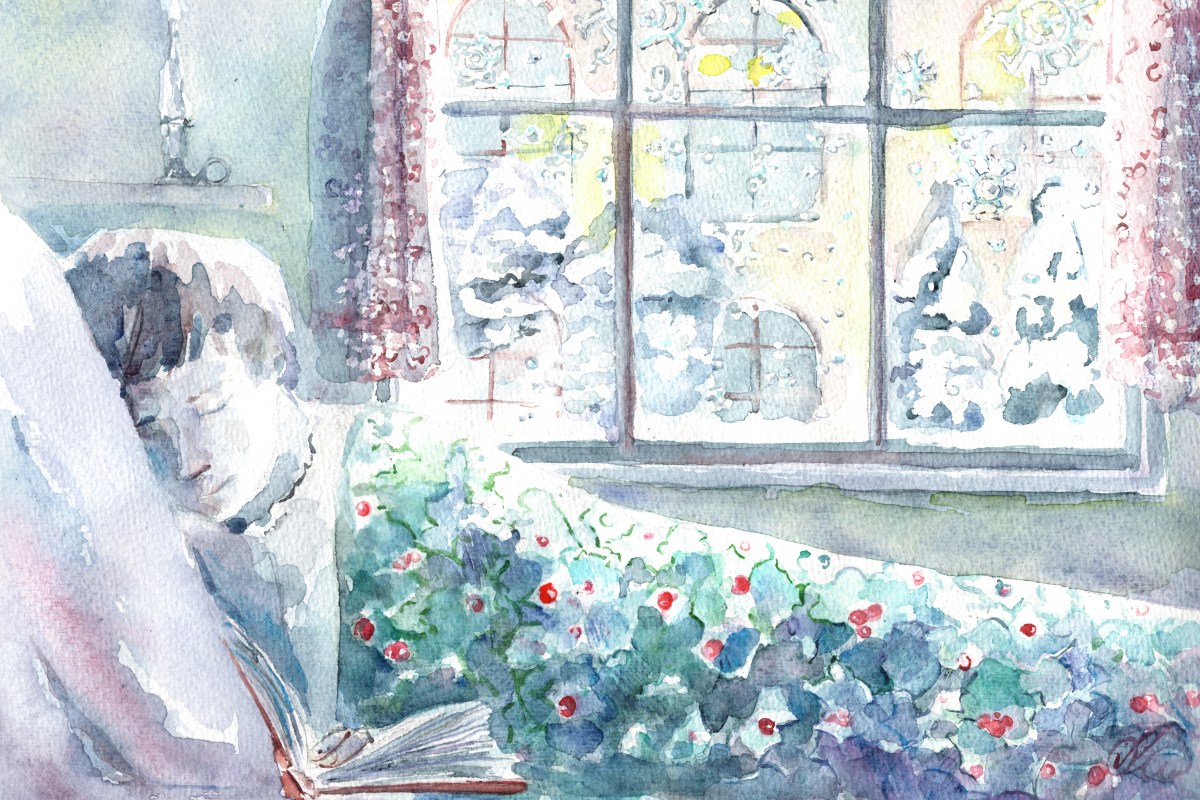
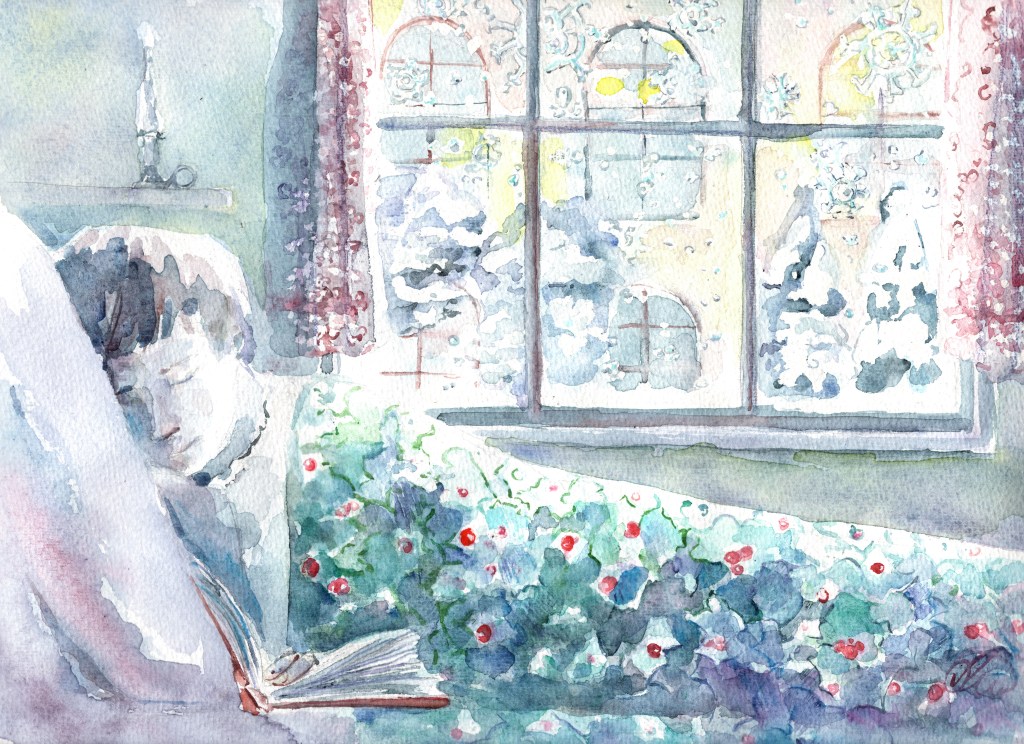
The wind was whistling through the old lime and maple trees opposite my windows, the snow was sweeping down the street, and the sky was black as a December sky can possibly be here in Christiania. It was Christmas Eve,—the first I was to spend away from the cosey fireside of my home. I had lately received my officer’s commission, and had hoped that I should have gladdened my aged parents with my presence during the holidays, and had also hoped that I should be able to show myself in all my glory and splendour to the ladies of our parish. But a fever had brought me to the hospital, which I had left only a week before, and now I found myself in the much-extolled state of convalescence. I had written home for a horse and sledge and my father’s fur coat, but my letter could scarcely reach our valley before the day after Christmas, and the horse could not be in town before New Year’s Eve.

‘Round the Yule-Log. Christmas in Norway

P. Chr. Asbjornsen

Saint Nicolas coming § ‘Round the Yule-Log. § Около коледния огън

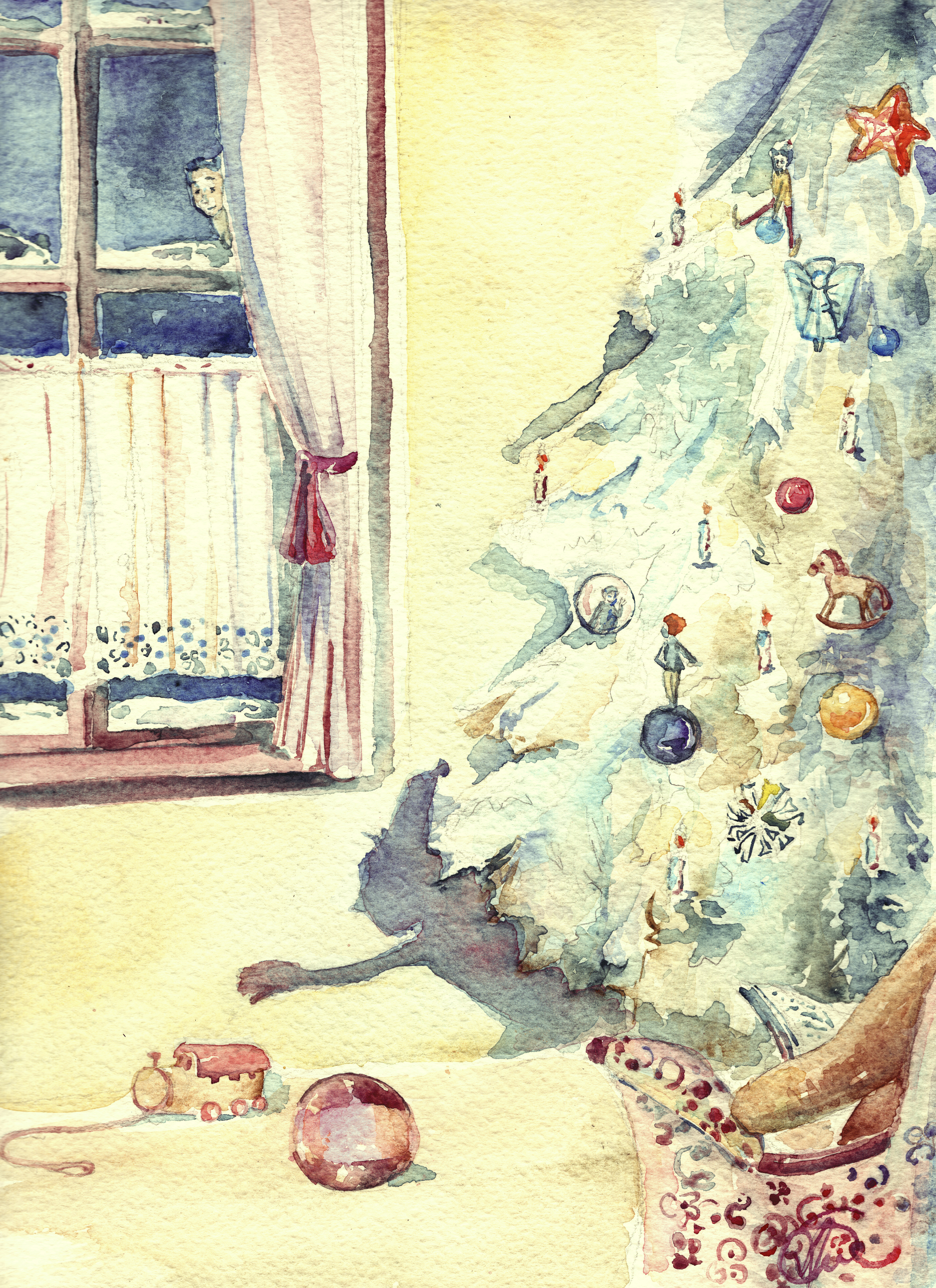
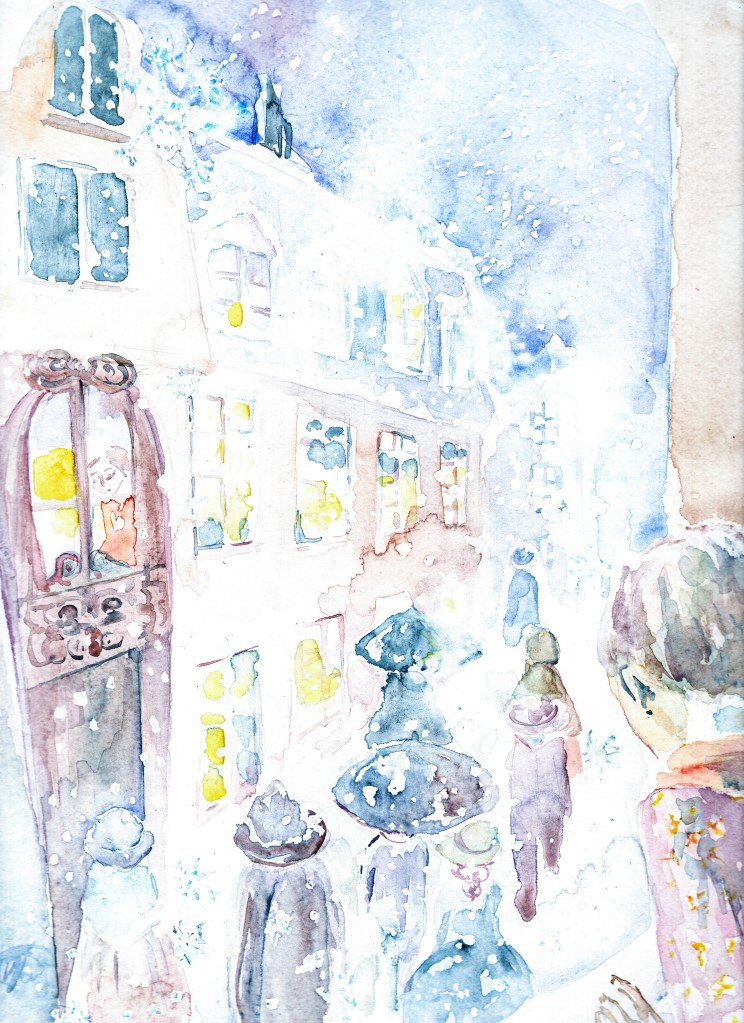
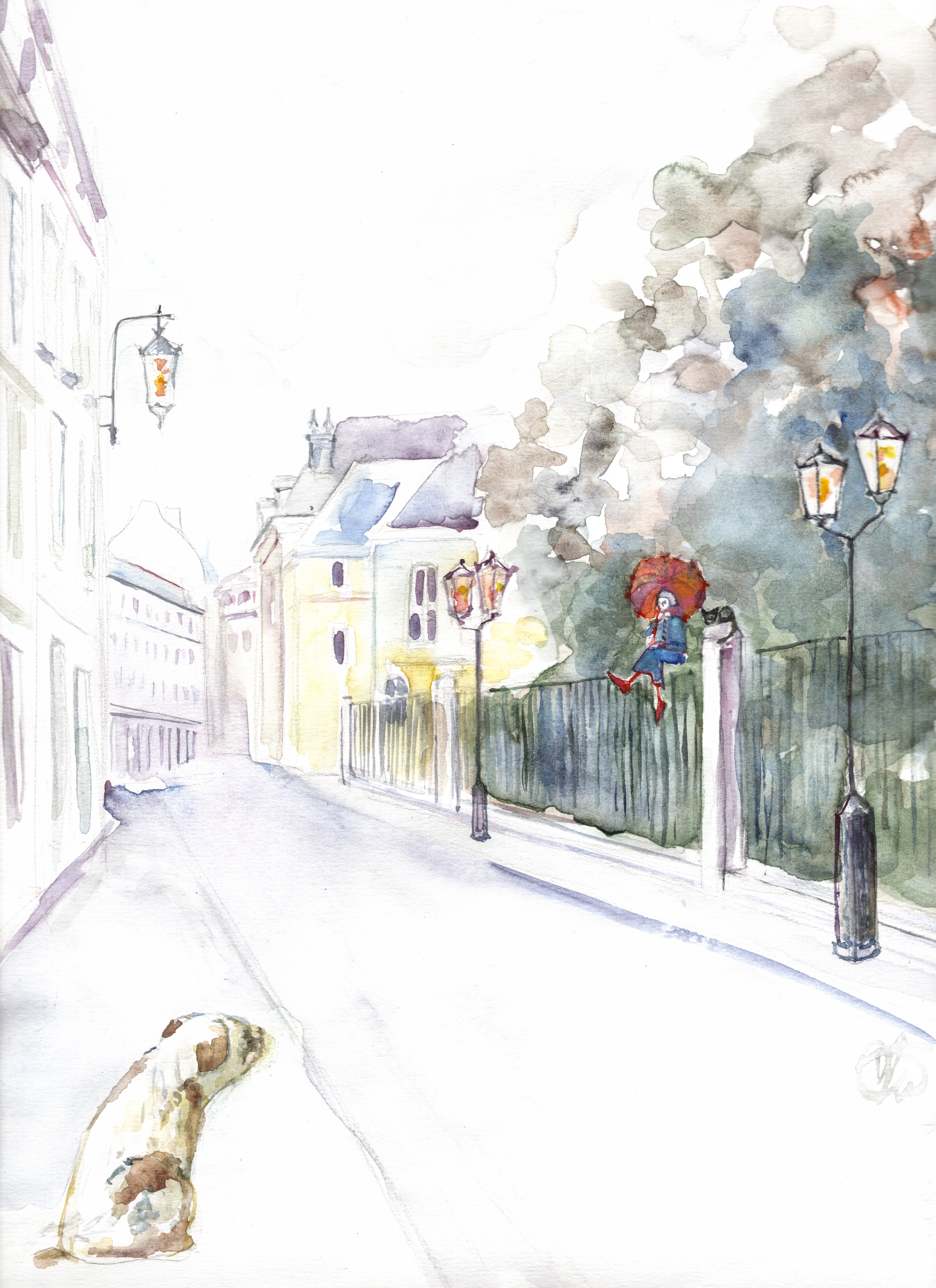
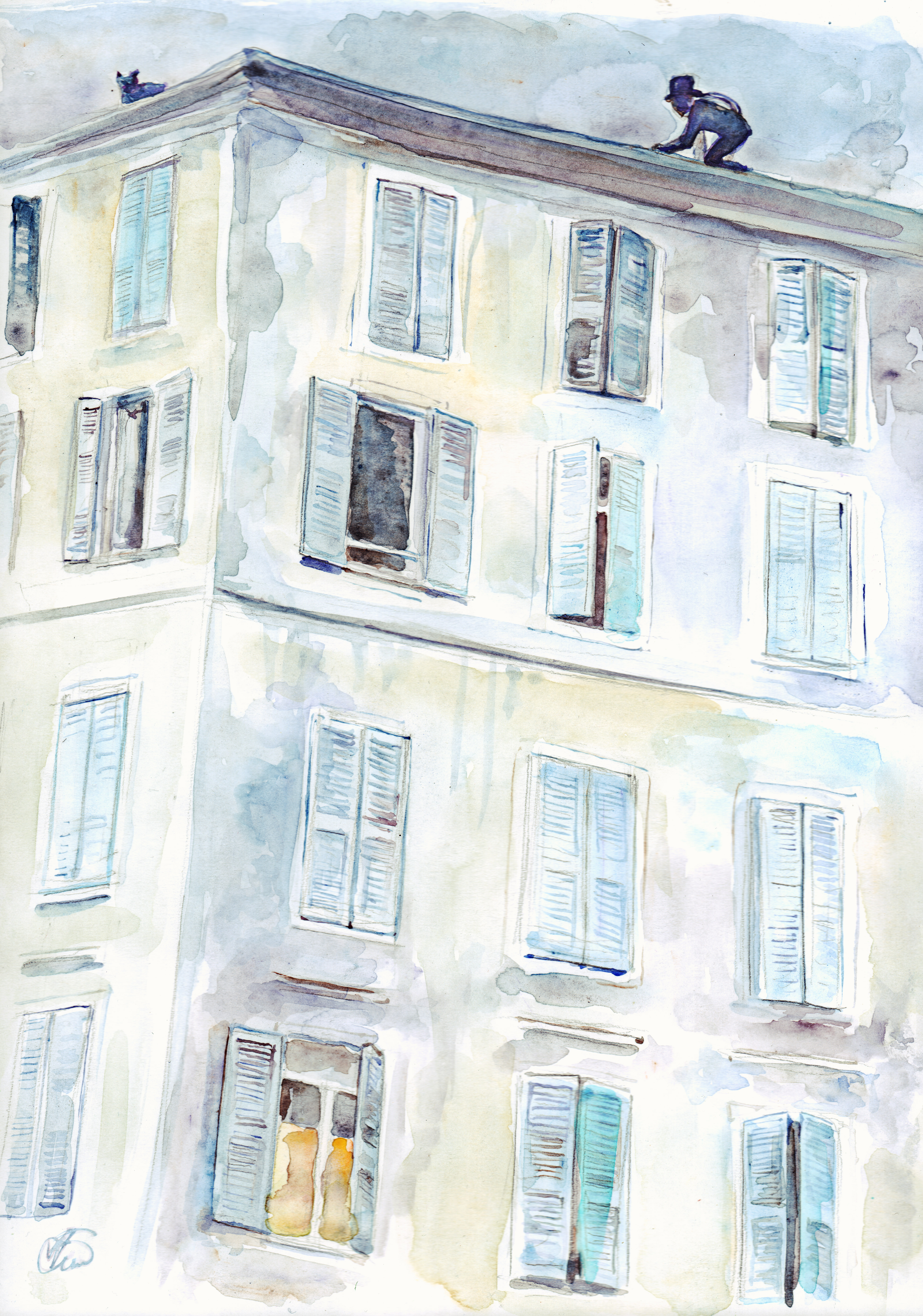
(…) the snow was sweeping downthe street, and the sky was black as a December sky can possibly be here in Christiania. I was in just as black amood. It was Christmas Eve,—the first I was to spend awayfrom the cosey fireside of my home.
(…) I tried to divert myself in my loneliness and melancholymood by looking out at all the people who passed up anddown the street in the snow and wind, with blue noses and half-shut eyes. It amused me to see the bustle and the lifein the apothecary’s shop across the street. The door was scarcely shut for a moment. Servants and peasants streamed in and out, and commenced to study the labels and directionswhen they came out in the street. Some appeared to be able to make them out, but sometimes a lengthy study and adubious shake of the head showed that the solution was too difficult. It was growing dusk. I could not distinguish the countenances any longer, but gazed across at the old building.

‘Round the Yule-Log. Christmas in Norway

P. Chr. Asbjornsen

The Gutenberg Project

The destiny wheel § La roue du destin § Колелото на съдбата

tre fate ssmask

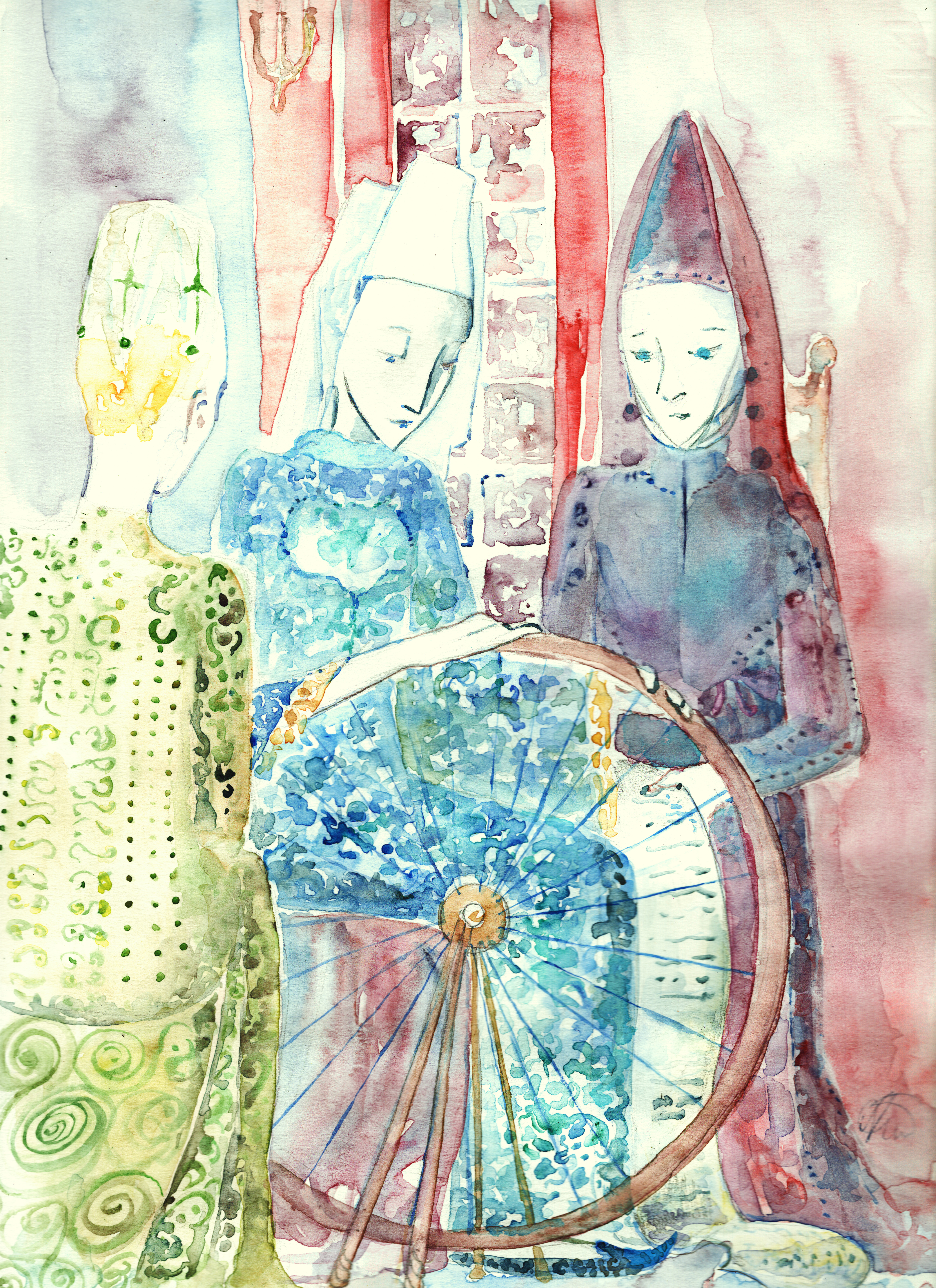
“That ash,” says Har, which was indeed the earth-bearer, “is the greatest and best of all trees.” Its branches spread over the whole world and even reach above heaven. It has three roots, very wide asunder. One of them goes down to Ginnungagap. The frost giants live over it, and over this root is a deep well which we shall hear more of by-and-bye. In the picture this root could not be shown, but the branches which encircle the ice region are supposed to spring from it. Another root extends to Niflheim, the old roaring cauldron lies under it, a great snake called Nidhögg gnaws it night and day as the old lay says. “Yggdrasil’s ash suffers greater hardship than men know of. Nidhögg tears it.” Under this root also lies Helheim, a home of the dead. The third root is in heaven: gods and men live under it, in Asgard and Midgard; the giant fate-sisters also live under it, at the top of the Rainbow’s arch in their palace very beauteous, which stands by the Holy Urda Fount. They water the tree every day with the holy water, so that ever “it stands green over Urda’s Fount.”

These maidens are called Norns;—they fix the destinies of men, Har says; “but besides them,” he adds, “there are a great many other norns—indeed, for each man that is born there is a norn to decide his fate.”

The heroes of Asgard. Tales from Scandinavian Mythology  (link to Gutenberg Project)
By A. & E. Keary

… [Без превод]

“Тези девойки се наричат “Норни” – те определят съдбите на хората, казва Хар; “но освен тях – добавя той – има много много други норни – всъщност, за всеки роден човек има една норна, която решава съдбата му.”

While away

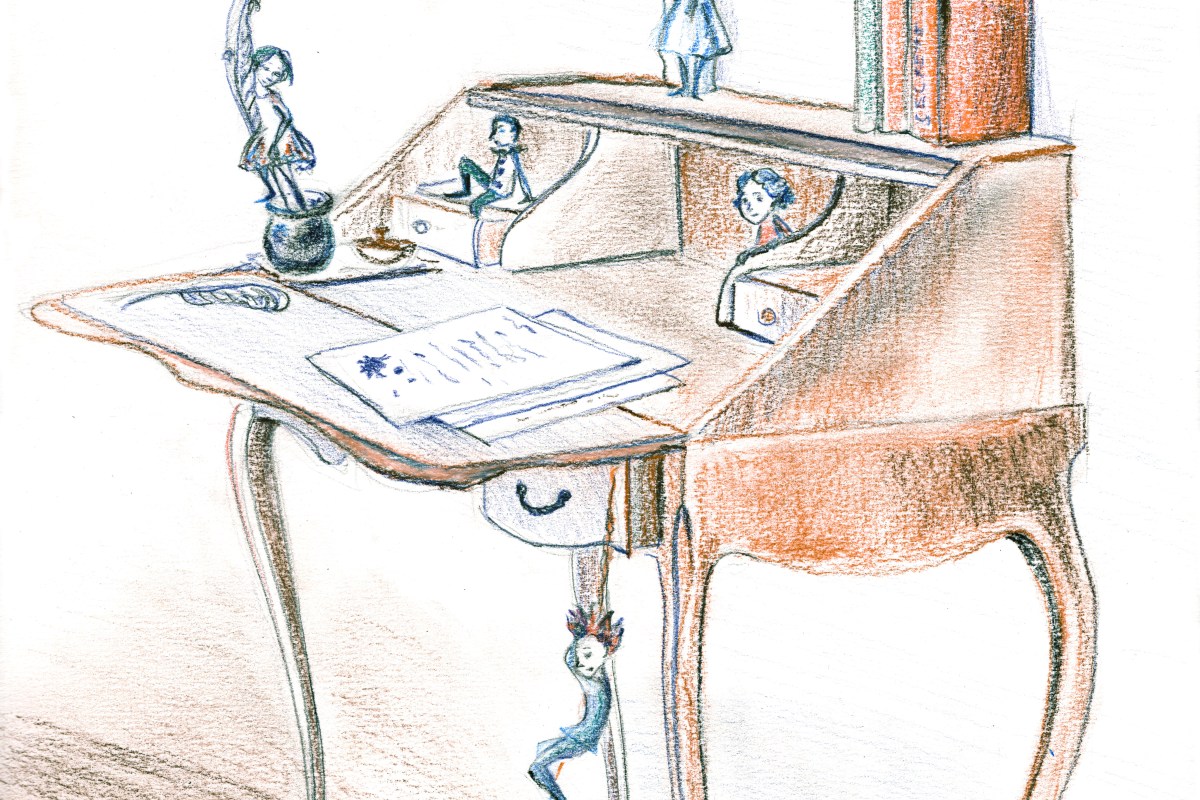
Some say one is always alone. I thought they were right… but after I discovered we all have helpers. You never know where they hide unless they show themselves. In any event I am always happy to leave them my working desk. I know they have lots of here!bureau.jpg

Някои твърдят, че човек е винаги сам. Мислех, че са прави…, но в последствие открих, че всички ние си имаме помощници. Никога не знаеш къде се крият освен ако не ти се покажат. И аз съм винаги доволна да им оставя бюрото си. Знам, че наистина се забавляват тук!

Le chat et le souriceau 

Je suis heureuse de vous annoncer que le livre audio « Le chat et le souriceau », d’après la belle fable de Jean de La Fontaine vient d’être publié par ScéalProd! Un jeune souriceau à la découverte du monde nous apprend de manière amusante comment approcher (les inconnus dans) la vie !

https://www.scealprod.com/html/editeur/preview/?pr=2892&affiliates=9

https://www.scealprod.com/produit/le-chat-et-le-souriceau/?affiliates=9

Scéalprod est spécialisé dans la création d’outils ludiques qui favorisent l’éveil à l’écriture et à la lecture. Déjà connus dans le domaine, ils collaborent avec les acteurs de l’enseignement, l’éditorial et grâce à leur imagination et énergie infinies développent des nombreux projets à connaitre.

souriceau p1 corrige.jpg

Je vous invite à voir un extrait de la fable (et de l’acheter pour la découvrir entièrement !), ainsi que de faire la connaissance avec ScéalProd si ce n’est pas déjà le cas ! Bonne aventure !

Jardin du Luxembourg

Déambulant sans but dans les allées animées du jardin du Luxembourg, mon refuge des heures floues où tout parait figé, je cherche de quel cote guider mes rêves.

luxembourg.jpg

Les chaises du Luxembourg, de Domonique Laury

Gallery

Grandmother

grandmere enfant2.jpg

Grandmother is very old, her face is wrinkled, and her hair is quite white; but her eyes are like two stars, and they have a mild, gentle expression in them when they look at you, which does you good. She wears a dress of heavy, rich silk, with large flowers worked on it; and it rustles when she moves. And then she can tell the most wonderful stories. Grandmother knows a great deal, for she was alive before father and mother—that’s quite certain.

Grandmother by Hans Christian Andersen

Promenade avec Grand-mère

grandmere mer

Dans la demi-obscurité des nuits claires où les étoiles scintillaient comme des yeux de diamant en l’absence de la lune, il croyait saisir les formes de ces êtres fantastiques, les plis de leurs robes, les ondulations de leurs chevelures d’argent. Aux approches du dégel, elles changeaient d’aspect et d’attitude, et il les entendait tomber des branches avec un bruit frais et léger, comme si, en touchant la nappe neigeuse du sol, elles eussent pris un souple élan pour s’envoler ailleurs.

dans “Le Chene parlant”

Contes d’une grand’mère

George Sand

in your house…

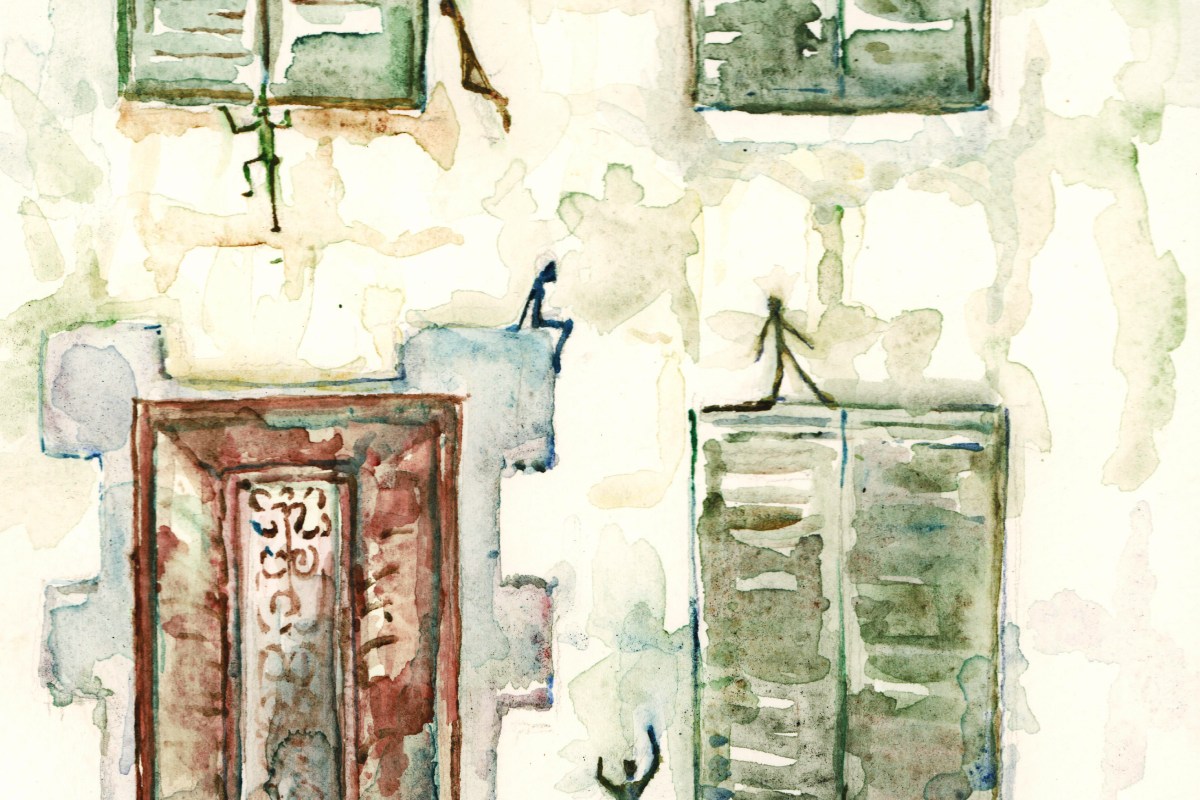
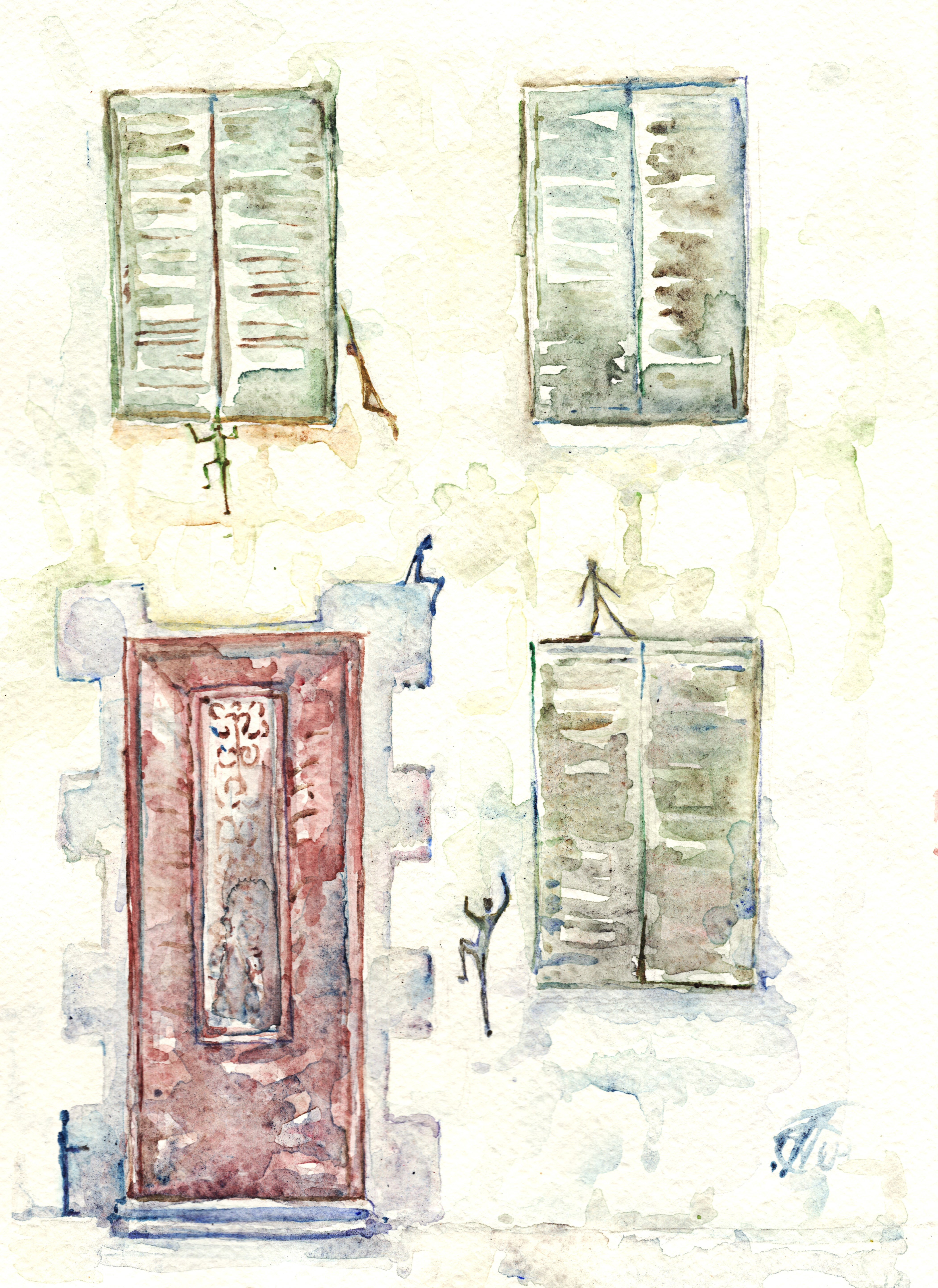
Some house fairies from the anglo-saxon folklore:

quattre.jpg

A brownie or broonie (Scots), also known as a brùnaidh or gruagach (Scottish Gaelic), is a household spirit from British folklore that is said to come out at night while the owners of the house are asleep and perform various chores and farming tasks. The human owners of the house must leave a bowl of milk or cream or some other offering for the brownie, usually by the hearth. Brownies are described as easily offended and will leave their homes forever if they feel they have been insulted or in any way taken advantage of. Brownies are characteristically mischievous and are often said to punish or pull pranks on lazy servants. If angered, they are sometimes said to turn malicious, like boggarts.
(…)
Wikipedia

Boggart is one of numerous related terms used in English folklore for either a household spirit or a malevolent genius loci inhabiting fields, marshes or other topographical features.The household form causes mischief and things to disappear, milk to sour, and dogs to go lame.
(…)
Wikipedia

Bwbach “bogy, scarecrow.” A Welsh household fairy which may be helpful or mischievous. It is a scold to teetotalers and dissenting ministers. The bwbach is best known in the three Glamorganshires.
(…)
Encyclopedia mythica

Sul fiume. I delitti della collana cinese

La riva nord era meno fitta di alberi e qua e là, tra il fogliame verde, si vedeva qualche capanna di pescatori. Quando furono vicino a riva Felce gettò in acqua un gancio appesantito da due mattoni. La barca avanzò nella corrente, poi si fermò quando l’ancora fece presa.nuit lac0148

I delitti della collana cinese. I casi del giudice Dee

Robert van Gulik

La bergère et le ramoneur § Овчарката и коминочистачът

kominochistach.jpg

Mon chemin passe par la cheminée, as-tu le courage de grimper avec moi à travers le poêle, d’abord, le foyer, puis le tuyau où il fait nuit noire? Après le poêle, nous devons passer dans la cheminée elle-même; à partir de là, je m’y entends, nous monterons si haut qu’ils ne pourront pas nous atteindre, et tout en haut, il y a un trou qui ouvre sur le monde.

— Моят път минава през комина! Имаш ли смелостта да скочиш с мен в печката и да се покатериш през комина? Там аз зная вече какво да правя. Ние ще се изкачим тъй високо, че никой не ще може да ни стигне. На самия връх има една дупка, през която ще излезем на белия свят.

La fata del mare § Морската фея на Джани Родари

petite fee.jpg

a Emma

Una volta Alice Cascherina andò al mare, se ne innamorò e non voleva mai uscire dall’acqua.

“Alice, esci dall’acqua”, la chiamava la mamma.
“Subito, eccomi”, rispondeva Alice. Invece pensava: “Starò in acqua fin che mi cresceranno le pinne e diventerò un pesce”.

Di sera, prima di andare a letto, si guardava le spalle nello specchio, per vedere se le crescevano le pinne, o almeno qualche squama d’argento. Ma scopriva soltanto dei granelli di sabbia, se non si era fatta bene la doccia.

Una mattina scese sulla spiaggia più presto del solito e incontrò un ragazzo che raccoglieva ricci e telline.
Era figlio di pescatori, e sulle cose di mare la sapeva lunga.
“Tu sai come si fa a diventare un pesce?” gli domandò Alice.
“Ti faccio vedere subito”, rispose il ragazzo.

Posò su uno scoglio il fazzoletto con i ricci e le telline e si tuffò in mare. Passa un minuto, ne passano due, il ragazzo non tornava a galla. Ma poi ecco al suo posto comparire un delfino che faceva le capriole tra le onde e lanciava allegri zampilli nell’aria. Il delfino venne a giocare tra i piedi di Alice, ed essa non ne aveva la minima paura.

Dopo un po’ il delfino, con un elegante colpo di coda, prese il largo. Al suo posto riemerse il ragazzo delle telline e sorrise:
“Hai visto com’è facile?”
“Ho visto, ma non sono sicura di saperlo fare”.
“Provati”.

Alice si tuffò, desiderando ardentemente di diventare una stella marina, invece cadde in una conchiglia che stava sbadigliando, ma subito richiuse le valve, imprigionando Alice e tutti i suoi sogni.

“Eccomi di nuovo nei guai”, pensò la bimba. Ma che silenzio, che fresca pace, laggiù e là dentro. Sarebbe stato bello restarci per sempre, vivere sul fondo del mare come le sirene d’una volta. Alice sospirò. Le venne in mente la mamma, che la credeva ancora a letto; le venne in mente il babbo, che proprio quella sera doveva arrivare dalla città, perchè era sabato.

“Non posso lasciarli soli, mi vogliono troppo bene. Tornerò a terra, per questa volta”.

Puntando i piedi e le mani riuscì ad aprire la conchiglia abbastanza per saltarne fuori e risalire a galla.

Il ragazzo delle telline era già lontano.

Alice non raccontò mai a nessuno quello che le era capitato.

Alice casca in mare, tratto da Favole al telefono di Gianni Rodari
Веднъж Алиса Търкуланка отишла на морето, влюбила се в него и не искала да излезе от водата.
— Алиса, излез от водата — викала я майка й.
— Ето, ида — отговаряла Алиса. Но си мислела. «Ще остана във водата, докато ми пораснат перки и стана риба.»
Вечер, преди да си легне, си гледала раменете в огле­далото, за да види дали й растат перки или поне някоя сре­бърна люспа. Но откривала само песъчинки, ако не се била измила добре на душа.
Една сутрин слязла на плажа по-рано от обикновено и срещнала едно момче, което събирало морски таралежи и миди.
Хлапакът бил рибарски син и морските работи ги раз­бирал много.
— Знаеш ли как може човек да стане риба? — попи­тала го Алиса.
— Веднага ще ти покажа — отговорило момчето.
То оставило на един камък кърпичката, с която съби­рало таралежите и мидите, и се хвърлило в морето. Минала една минута, минали две, момчето не се появявало на по­върхността. Но ето че се появил един делфин, който се премятал между вълните и хвърлял весели пръски във въздуха. Делфинът дошъл да си играе между краката на Алиса и тя не изпитвала ни най-малък страх.
След малко делфинът с един изящен удар на опашката избягал. На негово място се появило момчето, което съби­рало морски таралежи, и се усмихнало:
— Виждаш ли колко е лесно?
— Видях, но не зная дали аз ще мога.
— Опитай!
Алиса се хвърлила в морето, като горещо желаела да се превърне в морска звезда. Но вместо това паднала в една мида, която се прозявала и веднага затворила черупките си, като пленила Алиса и всичките й мечти.
“Ето отново неприятности” – помислило си момиченцето. Но каква тишина, какво свежо спокойствие там долу и там вътре. Колко хубаво ще е да може човек да живее на дъното като някогашните сирени. Алиса въздъхнала. Сетила се за майка си, която си мислела, че детето е още в леглото, сетила се за баща си, който тъкмо тая вечер трябвало да дойде от града, защото било събота.
– Не мога да ги оставя сами, много ме обичат. То­зи ще се върна на земята като блъснала с ръце и крака, успяла да отвори мидата и достатъчно, за да изскочи и да се върне на повърхността на водата. Момчето с таралежите било вече далече.
Алиса пада в морето, от Приказки по телефона на Джани Родари
благодаря на http://prikazki.com

Arrivé en Corse

depart rue2

Ajaccio, 24 septembre 1880.

De petits îlots, portant des phares, apparaissent plus loin; ils s’appellent les Sanguinaires et indiquent l’entrée du golfe d’Ajaccio. Ce golfe profond se creuse au milieu de collines charmantes, couvertes de bois d’oliviers que traversent parfois comme des ossements de granit d’énormes rochers gris, plus hauts que les arbres. Puis, après un détour, la ville toute blanche, assise au pied d’une montagne, avec sa grâce méridionale, mire dans le bleu violent de la Méditerranée ses maisons italiennes à toit plat. Le grand navire jette l’ancre à deux cents mètres du quai, et le représentant de la Compagnie transatlantique, M. Lanzi, met en garde les voyageurs 186 contre la rapacité des mariniers qui opèrent le débarquement.

La ville, jolie et propre, semble écrasée déjà, malgré l’heure matinale, sous l’ardent soleil du Midi. Les rues sont plantées de beaux arbres; il y a dans l’air comme un sourire de bienvenue où des parfums inconnus flottent, des aromes puissants, cette odeur sauvage de la Corse, qui faisait s’attendrir encore le grand Napoléon mourant là-bas sur son rocher de Sainte-Hélène.


EN CORSE. LA PATRIE DE COLOMBA.

Guy de Maupassant


La princesse au petit pois § Принцесата върху граховото зърно


petit pois princesse.jpg

Un soir par un temps affreux, éclairs et tonnerre, cascades de pluie que c’en était effrayant, on frappa à la porte de la ville et le vieux roi lui-même alla ouvrir. C’était une princesse qui était là, dehors. Mais grands dieux! de quoi avait-elle l’air dans cette pluie, par ce temps! L’eau coulait de ses cheveux et de ses vêtements, entrait par la pointe de ses chaussures et ressortait par le talon… et elle prétendait être une véritable princesse!—Nous allons bien voir çà, pensait la vieille reine, mais elle ne dit rien.

Hans Chistian Andersen

From the window of the old bachelor § От прозореца на стария ерген

monsieur avec son chat a la fenetre3.jpg

Тhere is a street in Copenhagen which bears the extraordinary name of “Hyskenstrœde.” And why is it so called? and what is the meaning of that name? It is German; but the German has been corrupted. “Häuschen” it ought to be called, and that signifies “small houses.” Those which stood there formerly—and, indeed, for several years—were not much larger than the wooden booths that we see now-a-days erected at fairs. Yes, only a little larger, and with windows; but the panes were of horn or stretched bladder, for in these days it was too expensive to have glass windows in all houses; but the time in question was so far back that our grandfathers’ grandfathers, when they mentioned it, also spoke of it as “in ancient days,” for it was several hundred years ago.

The Old Bachelor’s Nightcap, by Hans Christian Andersen

Шапката на стария ерген, от Ханс Кристиан Андерсен


Cagliari

cagliari.jpg

Strange, stony Cagliari. We climbed up a street like a corkscrew stairway. And we saw announcements of a children’s fancy-dress ball. Cagliari is very steep. Half-way up there is a strange place called the bastions, a large, level space like a drill-ground with trees, curiously suspended over the town, and sending off a long shoot like a wide viaduct, across above the corkscrew street that comes climbing up.

Sea and Sardinia, D.H.Lawrence

Nice, souvenirs de l’avenir

nice NY.jpg« Je ne sors que le soir, mais les nuits sont féériques ! Les squares embaument. Il y a des champs de pétunias, dont la senteur sucrée vous enveloppe comme celle des fumeries d’opium. (…)

Le luxe des lumières, des palmiers, des orchestres déchaînés aux terrasses, n’a rien d’insolent parce qu’il est à tous, et que le moins fortuné en jouit autant que le plus riche. Dans l’excellent fauteuil à dix sous où je digère une poignée de cacahuètes, devant un des plus beaux et plus amusants spectacles du monde, je suis aussi heureux que mon voisin le milliardaire, qui regarde les mêmes choses, dans le même fauteuil, après avoir dîné au Négresco… »

Roger Martin du Gard, correspondance avec André Gide, 10 septembre 1935.*

* “La Griotte. Magazine en ligne impertinent” https://lagriotteanice.wordpress.com/