The Rose Elf § Елфът на розовия храст

In the midst of a garden there grew a rose bush, quite covered with roses, and in the most beautiful of them all there lived an elf-an elf so tiny that no mortal eye could see him. But he was as well made and as perfect as any child could be, and he had wings reaching from his shoulders to his feet. Behind each petal of the rose he had a tiny bedroom. Oh, how fragrant his rooms were, and how bright and transparent the walls, for they were the beautiful pale pink petals of the rose! All day long the little elf rejoiced in the warm sunshine as he flew from flower to flower or danced on the wings of the fluttering butterflies and measured how many steps he would have to take to pass along all the roads and paths on a single linden leaf.

The Rose Elf, Hans Christian Andersen

В средата на градината растеше розов храст, покрит с рози, а в най-красивата от тях живееше елф – елф толкова мъничък, че нито едно смъртно око не можеше да го види. Но той беше толкова добре създаден и толкова съвършен, колкото може да бъде всяко дете, и имаше крила, стигащи от раменете до краката му. Зад всяко листенце на розата той имаше малка спалня. О, колко благоуханни бяха стаите му и колко светли и прозрачни бяха стените, защото те бяха красивите бледорозови листенца на розата! По цял ден малкият елф се радваше на топлите слънчеви лъчи, докато прелиташе от цвете на цвете или танцуваше върху крилата на пърхащите пеперуди и измерваше колко крачки трябва да направи, за да премине по всички пътища и пътеки на едно липово листо.

Translated with DeepL.com (free version)

Елфът на розовия храст, Ханс Кристиан Андерсен

The Little Mermaid § Малката русалка

She saw her sisters rising out of the flood: they were as pale as herself; but their long beautiful hair waved no more in the wind, and had been cut off.

“We have given our hair to the witch,” said they, “to obtain help for you, that you may not die to-night. She has given us a knife: here it is, see it is very sharp. Before the sun rises you must plunge it into the heart of the prince; when the warm blood falls upon your feet they will grow together again, and form into a fish’s tail, and you will be once more a mermaid, and return to us to live out your three hundred years before you die and change into the salt sea foam.

The little mermaid, Hans Christian Andersen

Ала изведнъж из дълбините на морето изскочиха нейните сестри. Те бяха също тъй бледни като нея. Дългите им прекрасни коси не се развяваха вече от вятъра — те бяха отрязани.           
  — Ние ги дадохме на магьосницата, за да те спасим и да не те оставим да умреш тая нощ. А тя ни даде ето тоя нож. Виж колко е остър! Преди да изгрее слънцето, ти трябва да го забиеш в сърцето на княза и когато неговата топла кръв опръска твоите крака, те отново ще станат рибя опашка и ти ще се превърнеш пак в русалка, ще слезеш при нас на дъното на морето и ще изживееш твоите триста години, преди да станеш мъртва солена пяна върху морската повърхност.

Малката русалка, Ханс Кристиан Андерсен

La princesse au petit pois § Принцесата върху граховото зърно


petit pois princesse.jpg

Un soir par un temps affreux, éclairs et tonnerre, cascades de pluie que c’en était effrayant, on frappa à la porte de la ville et le vieux roi lui-même alla ouvrir. C’était une princesse qui était là, dehors. Mais grands dieux! de quoi avait-elle l’air dans cette pluie, par ce temps! L’eau coulait de ses cheveux et de ses vêtements, entrait par la pointe de ses chaussures et ressortait par le talon… et elle prétendait être une véritable princesse!—Nous allons bien voir çà, pensait la vieille reine, mais elle ne dit rien.

Hans Chistian Andersen

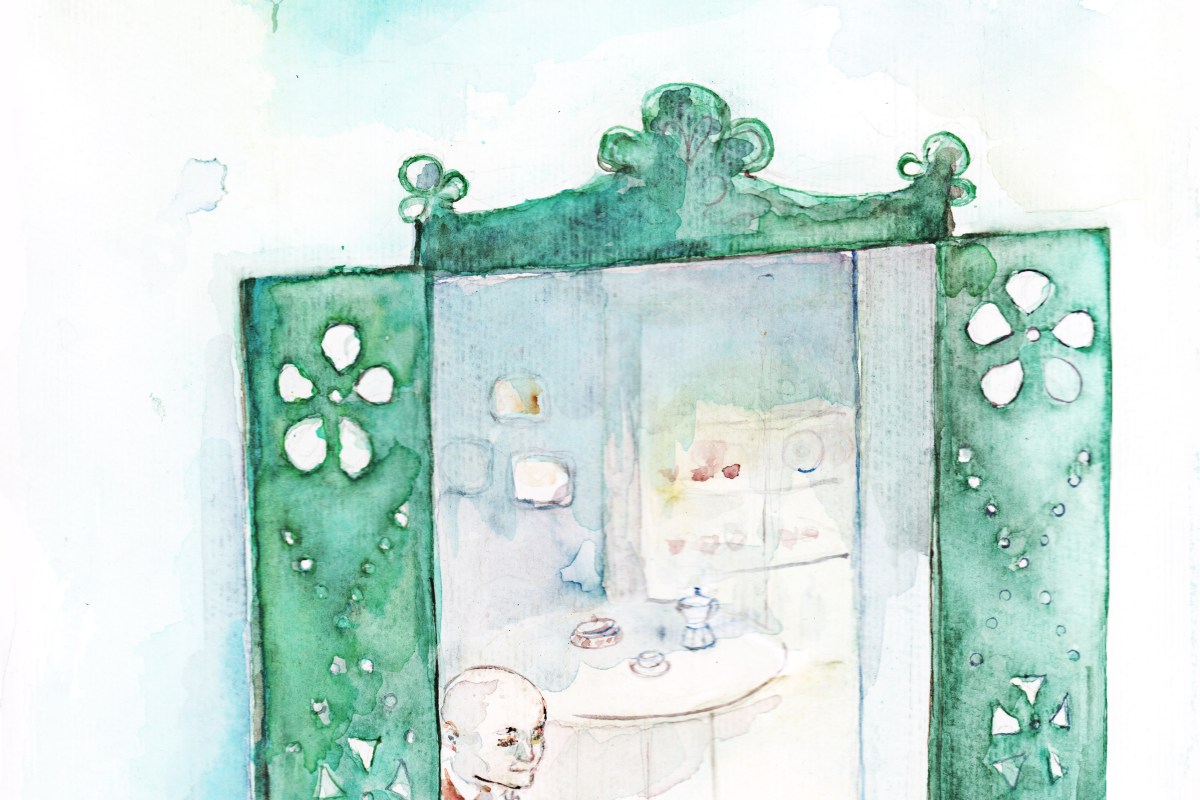
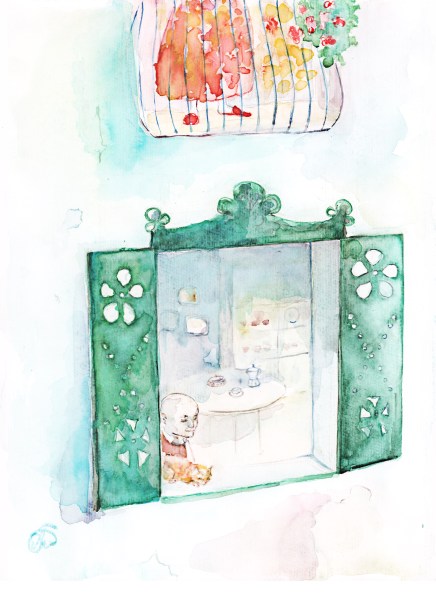
From the window of the old bachelor § От прозореца на стария ерген

monsieur avec son chat a la fenetre3.jpg

Тhere is a street in Copenhagen which bears the extraordinary name of “Hyskenstrœde.” And why is it so called? and what is the meaning of that name? It is German; but the German has been corrupted. “Häuschen” it ought to be called, and that signifies “small houses.” Those which stood there formerly—and, indeed, for several years—were not much larger than the wooden booths that we see now-a-days erected at fairs. Yes, only a little larger, and with windows; but the panes were of horn or stretched bladder, for in these days it was too expensive to have glass windows in all houses; but the time in question was so far back that our grandfathers’ grandfathers, when they mentioned it, also spoke of it as “in ancient days,” for it was several hundred years ago.

The Old Bachelor’s Nightcap, by Hans Christian Andersen

Шапката на стария ерген, от Ханс Кристиан Андерсен